Buying Guides
Custom Surf Wetsuits: What Your Brand Should Ask a Manufacturer
A surf wetsuit has a different job from a diving wetsuit. A diver mostly needs warmth and a suit that stays put underwater; a surfer needs a suit that moves with every paddle stroke.
Custom Surf Wetsuits: What Your Brand Should Ask a Manufacturer
A surf wetsuit has a different job from a diving wetsuit. A diver mostly needs warmth and a suit that stays put underwater; a surfer needs a suit that moves with every paddle stroke, pops up without catching, and stays comfortable through hours in the water. A surf brand that orders custom wetsuits needs to ask a manufacturer different questions. FLEX Wetsuits makes custom surf wetsuits alongside its diving and triathlon ranges, from its factory in Dongguan, Guangdong, China. The factory has more than 10 years of experience, over 100 skilled workers, and a monthly capacity of more than 50,000 pieces, and works with more than 100 clients.
What makes a surf wetsuit different?
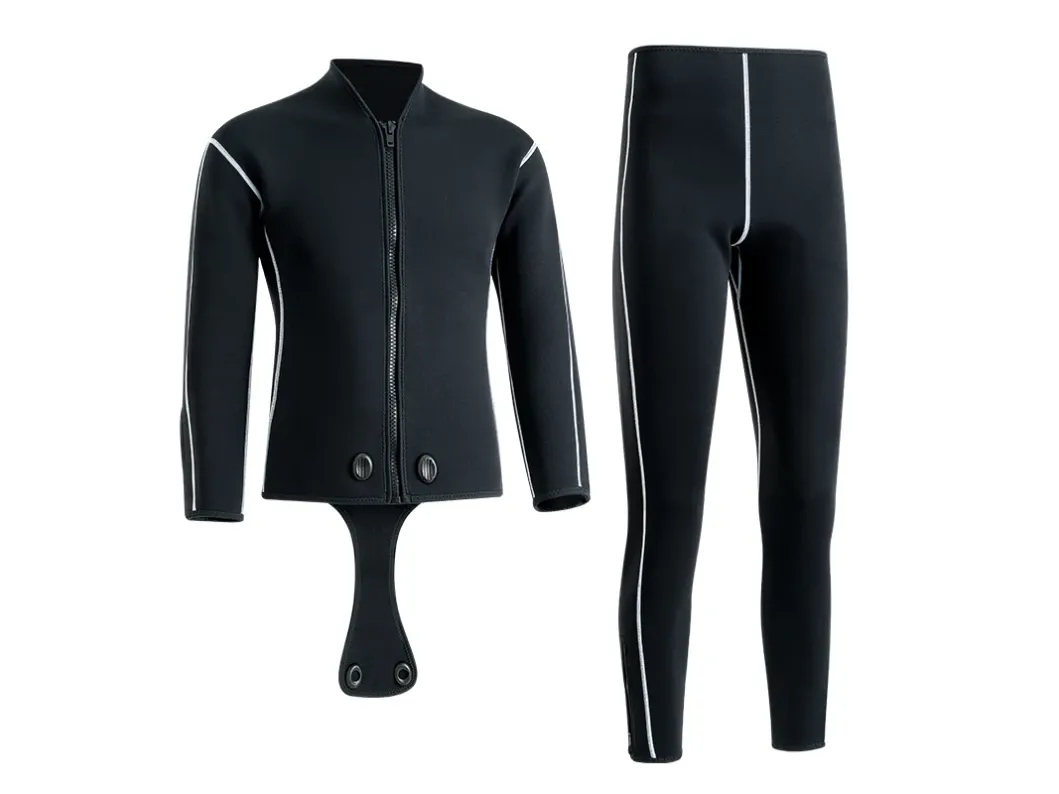
Flexibility comes first. A surf suit is stretched and twisted thousands of times in a session, mostly around the shoulders, arms, and chest, so the neoprene and the panel layout have to allow a full paddle stroke without resistance. That is why the cut matters as much as the material: the shoulder and chest panels should be built for paddling, not adapted from a diving pattern. Entry style matters too. A back-zip suit is easy to get in and out of, while a chest-zip suit usually feels tighter across the shoulders and lets in less water; the right choice depends on who wears the suit and how often. Ask the manufacturer how the panels are cut, which entry styles it offers, and whether the knees are reinforced.
What thickness should you ask for?
Thickness is a trade-off between warmth and movement. Thinner neoprene flexes more and feels less restrictive, while thicker neoprene keeps the surfer warm longer. Surf wetsuits are made in 1.5mm, 3mm, and 5mm, and the right choice depends on the water your customers surf in: thinner suits for warm water, thicker suits for cold water, and a mid-weight suit for everything in between. A single thickness rarely fits a whole range, so talk through the split with the manufacturer: chest and back panels can be thicker than the arms and shoulders, keeping the core warm without stiffening the stroke. The factory works with Yamamoto, limestone, SCR, and SBR neoprene, and thickness and material are chosen together at the quote stage. For a general guide to how thickness relates to water temperature, see the materials guide.
How does sizing work for a surf range?
A surf range lives or dies on its fit. Surfers come in more body shapes than a standard size chart suggests, and a suit that is too tight across the shoulders will be returned no matter how good the neoprene is. The minimum order is 50 pieces, and sizes can be mixed in one run, so a brand can order a spread of sizes in a single production run instead of committing to one size. Send the measurements your customers actually wear, and check the sample on a real surfer before approving it — a suit that fits on a hanger and a suit that fits while paddling are two different things. If your customers are mostly beginners, expect more questions about fit than about anything else, and order the size spread to match the surfers you actually see, not the size chart you hope for.
What should you send for a quote?
A manufacturer can only quote when it knows what you want. Send your design or logo files, the size range and how many suits go in each size, the thickness and material you prefer, the entry style, and the quantities you expect to order. If you are not sure about thickness or material, say so and ask what the factory recommends for the water your customers surf in. The more specific the brief, the faster the quote, and the closer the sample comes to the suit you want to sell. A full checklist is in the guide on what to send a wetsuit manufacturer for a quote.
How does private-label production work, and what does it cost?
Private-label production means the factory builds the suit to your specification and your brand goes on it. You send your design, sizes, and quantities; the factory makes a sample in 7 working days; you approve it; production takes 25 days. Logo printing and embroidery are available, and packaging and hangtags can be made to your brand. The price is set by quantity and material: 3mm wetsuits start from USD 42, and the final price depends on your order. For how the factory works, see the factory page, and for common questions about ordering, samples, and lead times, see the FAQ page.
To start an order, email sophia@flexwetsuit.com or WhatsApp +86 13215318778 (Mon–Sat 09:00–18:00 GMT+8). Or send an enquiry through the contact page. Surf Wetsuits