Buying Guides
Wetsuit Stitching Explained: Flatlock vs Blind Stitch vs Glued and Blind-Stitched
Flatlock suits warm water of 24°C and above, blind stitch suits 16–24°C, and glued and blind-stitched suits cold water of 10–16°C. Check the seams on the sample, which takes about 7 working days.
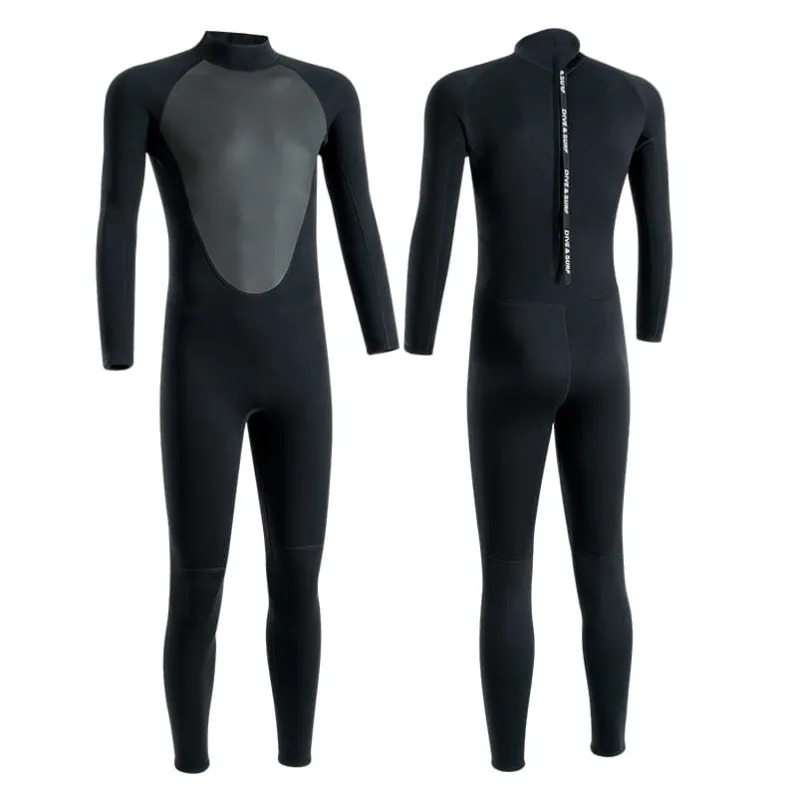
Wetsuit Stitching Explained: Flatlock vs Blind Stitch vs Glued and Blind-Stitched
Why stitching matters more than it looks
Two suits in the same thickness can feel very different in the water. The difference is often the stitching.
Stitching decides two things: how much water gets in through the seams, and how long the seams last. A rental suit fails at the seams first — shoulders, crotch, and knees — so the stitching method is a buying decision, not a detail.
There are three methods you will see on a quote. Here is what each one means.
Flatlock stitching
Flatlock is the simplest method. Two panels of neoprene are laid edge to edge and stitched through both layers. The seam lies flat against the skin, which makes it comfortable.
- Water: the needle goes all the way through the neoprene, so water comes in through the stitch holes. Flatlock suits are not watertight at the seams.
- Warmth: good for warm water, 24°C and above, where a little water through the seams does not matter.
- Comfort: the flat seam does not rub, so it suits suits that are worn for hours.
- Durability: strong and simple, but the stitch holes are a weak point over time.
Flatlock is the usual choice for 1.5mm and 3mm suits used in warm water, and for surf suits. It is the cheapest of the three methods.
Blind stitching
Blind stitching is the step up. The panel edges are glued together first, then stitched with a curved needle that goes through one side of the neoprene but not all the way through to the other side. From the outside, you cannot see the stitch.
- Water: much less water gets in, because the needle never pierces all the way through. The glued edge seals most of the seam.
- Warmth: good for cooler water, 16–24°C. A 3mm or 5mm suit with blind stitching keeps a diver noticeably warmer than the same suit with flatlock.
- Comfort: the seam is slightly raised on the inside, but it does not rub the way a through-stitch can.
- Durability: strong, and the glue adds a second layer of hold. The seam is more work to make, so it costs more than flatlock.
Blind stitching is the usual choice for 3mm and 5mm dive suits. If your water is below 24°C, this is where your fleet should be.
Glued and blind-stitched (GBS)
Glued and blind-stitched, often written as GBS, is blind stitching with extra steps. The panels are glued, blind-stitched, and the inside of the seam is usually taped as well.
- Water: the least water entry of the three methods. The glue, the blind stitch, and the tape work together.
- Warmth: the best choice for cold water, 10–16°C. A 7mm suit with GBS seams is built for water where warmth matters most.
- Comfort: the taped seam is the bulkiest of the three, but on a 7mm suit that is rarely the complaint.
- Durability: the strongest seam, and the most expensive to make.
GBS is the usual choice for 5mm and 7mm suits, and for any suit that will be used in cold water or worn for long dives.
Which stitching for your water
Match the stitching to your water temperature, the same way you match the thickness.
- Warm water, 24°C and above: 3mm, flatlock is fine
- Cooler water, 16–20°C: 5mm, blind stitching
- Cold water, 10–16°C: 7mm, glued and blind-stitched
A 3mm flatlock suit in 16°C water will feel cold no matter how new it is. A 7mm GBS suit in 26°C water is money spent on warmth nobody needs. The stitching and the thickness work together, so ask for both on the quote.
What to check on a sample
Stitching is hard to judge from a photo. Check it on the sample.
- Turn the suit inside out. Look at the seams. Flatlock shows a flat line of stitching through both layers. Blind stitching shows no stitch on the outside. GBS shows tape over the inside of the seam.
- Pull the seam gently. A good seam holds without the neoprene tearing beside it. If the neoprene tears at the stitch holes, the seam is the weak point.
- Check the shoulders and crotch. These are the first failure points on a rental suit. Look for even stitching with no skipped stitches and no loose thread ends.
- Check the knees and elbows. These areas take the most wear. On a rental suit, extra reinforcement here is worth asking about.
A sample takes about 7 working days. Check the seams on the sample the same way you check the fit and the zip, before you approve the full order.
What to ask the factory
When you order, ask for the stitching method in writing, next to the thickness and the material.
- Which stitching method is quoted: flatlock, blind stitch, or glued and blind-stitched?
- Is the seam taped on the inside, and on which suits?
- What happens if a seam fails early? A factory that replaces a failed suit rather than arguing about it keeps a rental fleet running.
If the quote does not name the stitching method, ask. A price without a stitching method is not a complete quote.
The short version
Flatlock for warm water, blind stitch for cooler water, glued and blind-stitched for cold water. Check the seams on the sample, inside and out, before you approve the order.
If you are ordering a fleet and want a quote, tell us your water temperature, your thickness, and your stitching preference. We make to order, mixed sizes in one run, with your logo if you want it. MOQ is 50 pieces, samples take 7 working days, and production takes 25 days.
Frequently asked questions
Which stitching should I choose for my water?
Flatlock suits warm water of 24°C and above, blind stitching suits cooler water of 16–24°C, and glued and blind-stitched seams suit cold water of 10–16°C.
How can I check the stitching on a sample?
Turn the suit inside out and look at the seams, then pull a seam gently. A sample takes 7 working days, and the seams should be checked the same way as the fit and the zip.
What happens if a seam fails early?
We stand behind the seams and zips. If a suit fails early, we replace it rather than argue about it.